
Time Blindness Is Real—You’re Not Just Bad at Being an Adult
You swear you’re going to leave the house on time. You set alarms, give yourself a buffer, even lay out your keys and shoes. But somehow, 10 minutes turns into 45, and now you’re apologizing again—breathless, anxious, frustrated, ashamed.
This isn’t irresponsibility. This is time blindness, and it’s one of the most overlooked ADHD symptoms.
When you have ADHD, time doesn’t pass in a predictable or tangible way. You don’t experience minutes and hours the way others seem to. You live in two states: now and not now.
That means:
Deadlines sneak up even when you know they’re coming.
“It’ll just take five minutes” turns into an hour.
Starting a task feels impossible until the panic of last-minute urgency kicks in.
You miss appointments—not because you don’t care, but because time evaporated without warning.
You’ve probably internalized a lot of shame about this. People have called you careless or flaky. You’ve apologized over and over, sometimes even believing you’re just bad at being an adult.
But therapy helps you approach this with clarity, not criticism.
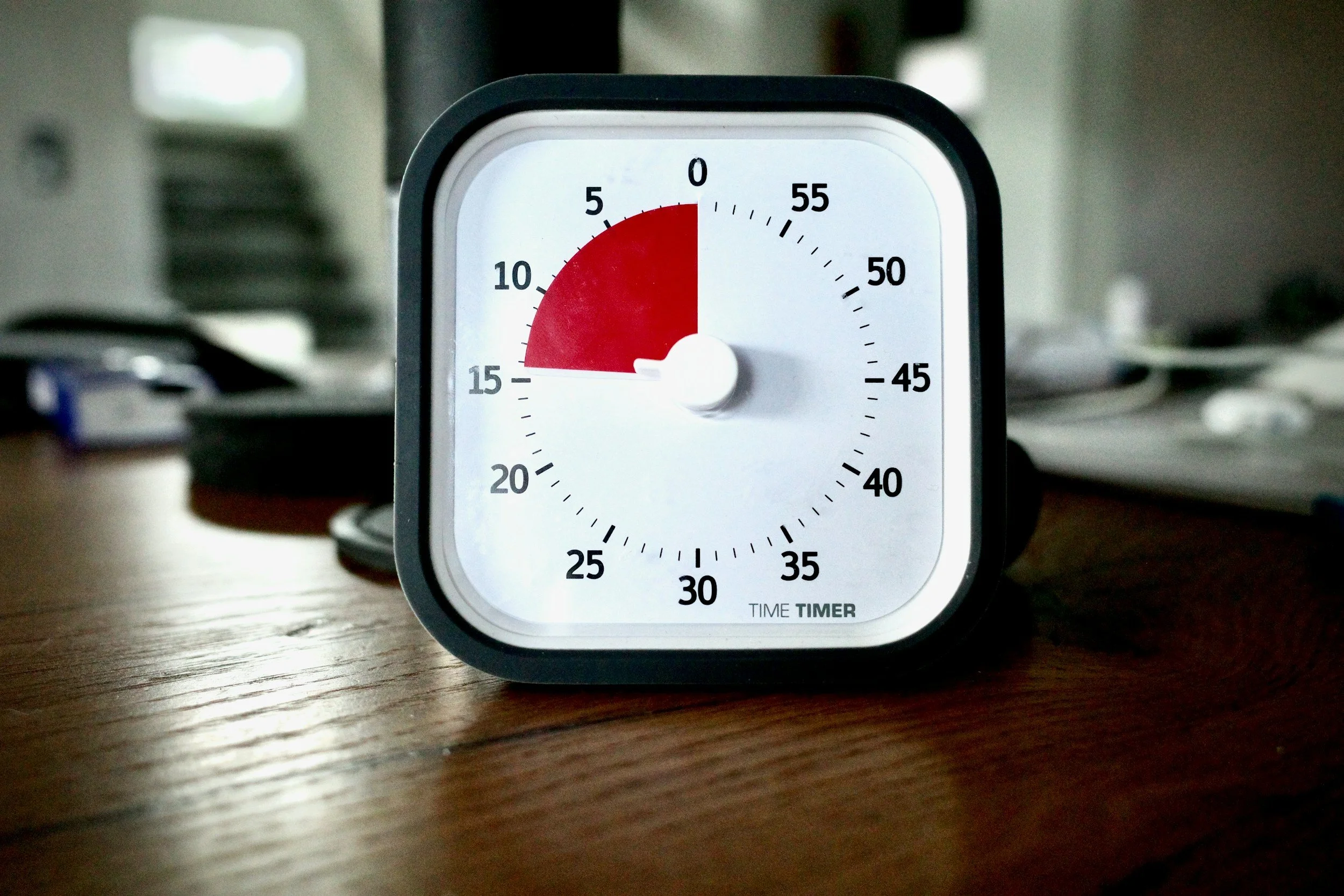
Together, we externalize time. That might mean using analog clocks, countdown timers, visual planners, or even “body-doubling” to stay anchored. We find what works for your brain—not what looks good on productivity TikTok.
We also unpack the emotional toll: the guilt, the hit to your self-esteem, the fear of being seen as unreliable. Because this isn’t just about getting places on time. It’s about reclaiming a sense of control and trust in yourself.
Time isn’t your enemy—and you’re not broken. Therapy can help you build tools that make time work with your brain.